
 3075290078
.jpg) 4169005786
4169005786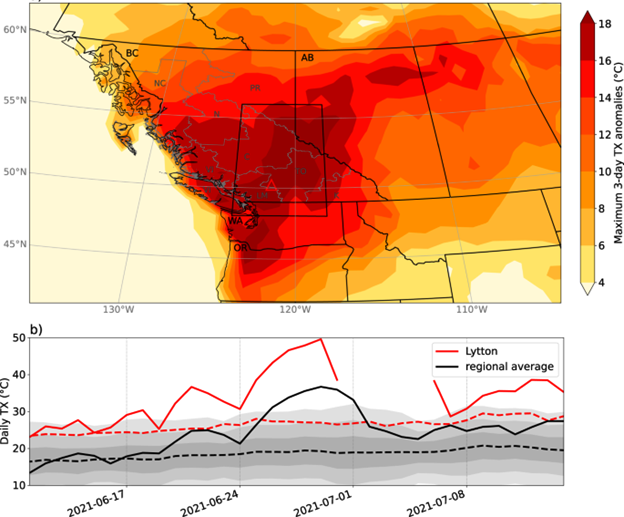
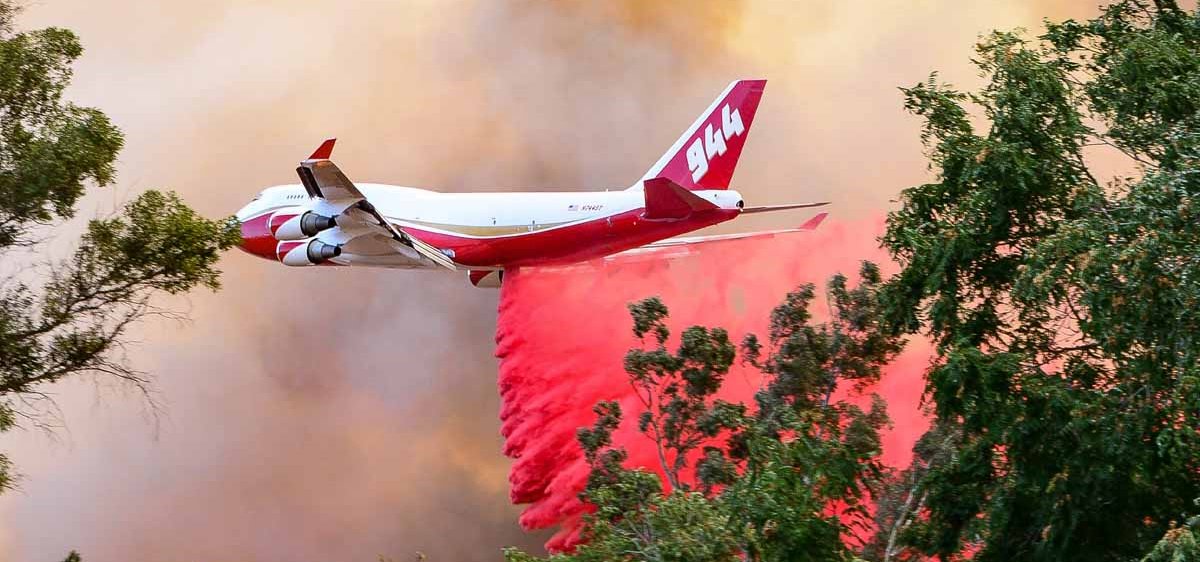
Current Firefighting Methods Can’t Keep Up
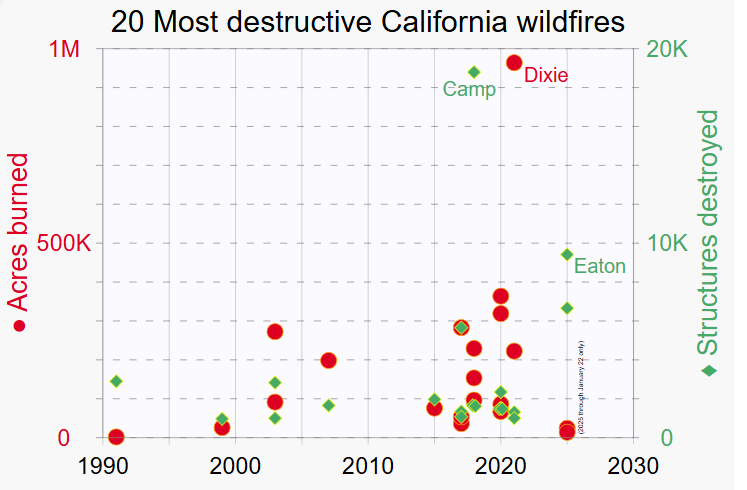
Should these extreme weather patterns persist, or even accelerate as predicted, we must anticipate that devastating fires will become a recurring, and escalating, environmental challenge.
The abnormally hot conditions in 2024 alone, compared to average temperatures from 1980 to 2023, account for 25% of the moisture deficit that contributed to the wildfires. This deficit is largely due to substantial anthropogenic warming.
While the Sun Belt region serves as a stark example of this phenomenon, the increased frequency and severity of natural disasters have triggered unprecedented levels of loss of life and property damage nationwide. Consequently, insurance markets, now acutely aware of climate risk, are fundamentally altering the economics of homeownership. They are either significantly increasing premiums or withdrawing coverage entirely from high-risk communities across the country.